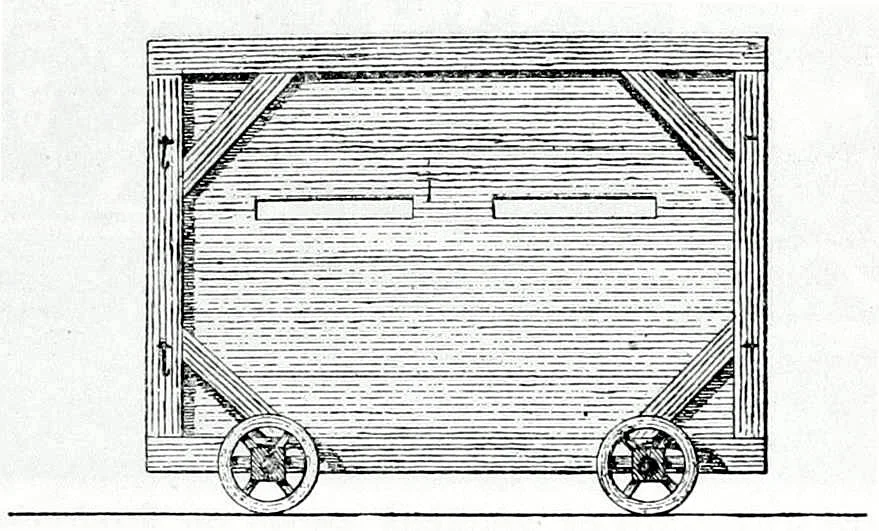
The Battle of Molodi was fought south of Moscow between 30 July and 2 August 1572, when a Russian army under Prince Mikhail Vorotynsky turned back an invasion by Devlet Giray, khan of the Crimean Khanate. It came a year after the same khan had broken through the Russian defences on the Oka and burned Moscow on 24 May 1571. At Molodi the Russians fought from behind a mobile wooden fortress, the gulyay-gorod ("walking town"), beat off the khan's assault on it and captured his chief commander, Divey-Murza. The khan withdrew across the Oka. In Russia today Molodi is celebrated as a forgotten turning point that saved the country. The sources tell a more careful story, and historians disagree about how decisive the victory was.
Molodi at a glance
| Date | 30 July – 2 August 1572 (Old Style), with fighting on the Oka from 26 July and the pursuit on 3 August |
| Place | Around the village of Molodi, about 45 versts (some 50 km) south of Moscow, today in Chekhov district, Moscow Oblast |
| Russian commander | Prince Mikhail Ivanovich Vorotynsky, with Prince Dmitry Khvorostinin |
| Crimean commander | Khan Devlet Giray I, with Divey-Murza |
| Russian army | 20,034 men in the preliminary roster, not counting Cossacks or armed servants; perhaps 28,000–32,000 in all |
| Crimean army | Estimates range from about 40,000 to 60,000; contemporary claims of 120,000 are exaggerated |
| Outcome | The khan's assault on the Russian wagon fort failed and he withdrew to Crimea |
Why did the Crimean khan attack Moscow?
The conquests of Kazan in 1552 and Astrakhan in 1556 had brought Ivan IV, known as Ivan the Terrible, into direct conflict with the Crimean Khanate and its overlord, the Ottoman sultan. Both khanates had been ruled by descendants of the Golden Horde, and the Crimean khans regarded them as their own. In 1569 an Ottoman expedition to retake Astrakhan failed. Devlet Giray decided to put pressure on Moscow himself.
Ivan IV was also fighting the Livonian War in the west, and his realm was weakened by the oprichnina, his regime of terror, and by famine and plague. Each spring Moscow sent its regiments to the "bank", the line of the river Oka south of Moscow, to guard against Tatar raids.
How did Devlet Giray burn Moscow in 1571?
In May 1571 the khan bypassed the Russian army on the Oka and rode on Moscow. The Russian regiments reached the outskirts first, on 23 May. On Thursday 24 May, Ascension Day, there was fighting in the suburbs, and the Tatars set them on fire. A strong wind carried the flames across the wooden city. According to the Piskarev chronicle the khan "burned it all; in three hours it all burned, and people without number". The commander-in-chief, Prince Ivan Belsky, wounded in the fighting, took refuge in a cellar at his house and suffocated: he "died of the smoke and the great fire", as one record puts it.
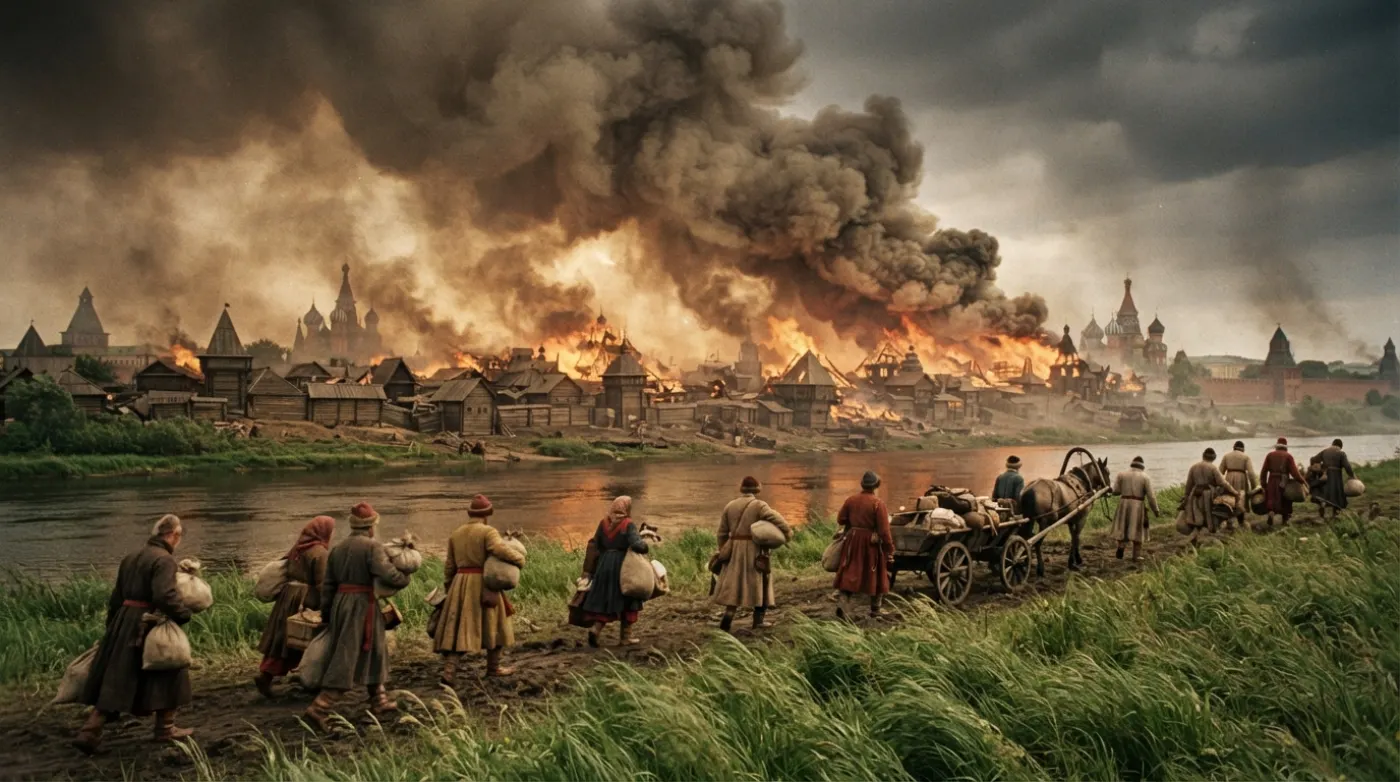
How many died is not known. The English envoy Giles Fletcher, writing twenty years later, reported that "there perished at that time (as was sayd) by the fire and the presse, the number of 800,000 people or more". The Livonian adventurers Johann Taube and Elert Kruse, writing in 1572, said that more than 120,000 people burned, "counting only the notable", and that within three days Moscow had burned so completely that there was not a post left to tie a horse to. These figures are impossible. The historian Vitaly Penskoy notes that the contemporary figures of "tens and hundreds of thousands" of dead are "clearly inflated". No reliable modern estimate exists.
Ivan IV did not defend the city. He had left for the north as the khan approached, though the sources disagree on his route. After the disaster one of his leading boyars, Prince Ivan Mstislavsky, signed a confession that he had "betrayed the whole Russian land" and "brought the godless Crimean khan Devlet Giray". He was pardoned on the intercession of the metropolitan, and other boyars stood surety for him with 20,000 roubles. Several historians, among them Vladimir Kobrin, think the confession was staged for the tsar.
The khan was triumphant. According to the Turkish Encyclopaedia of Islam, he was given the title Taht-algan, "taker of the throne". He demanded that Ivan hand back Kazan and Astrakhan.
How did Russia prepare for 1572?
Moscow refused, and both sides prepared for a new campaign. In the spring of 1572 the Russian government placed all its southern forces, both those of the oprichnina and of the rest of the realm, the zemshchina, under one commander, Prince Mikhail Vorotynsky. His instructions survive. They told the commanders to choose strong positions and dig in, and on no account to meet the khan "in the open field without a fortification". The preliminary roster of his army counts "in all the regiments, with all the commanders, 20,034 men of every kind, not counting Mishka's Cossacks", the Don Cossacks of the ataman Mikhail Cherkashenin. Penskoy estimates that with Cossacks and others the army may have reached 28,000–32,000 men, not counting the baggage train.
Ivan IV himself was in Novgorod, far to the north-west, with his sons.
How was the Battle of Molodi fought?
The best source for the battle is the official service record (razryad) of 1572, published by the historian Viktor Buganov in 1959. It gives the campaign day by day, and its weekdays match the Julian calendar.
The crossing of the Oka. "On the 23rd day of July the Crimean khan Devlet Giray came to the sovereign's borderlands, and with him his sons, and with them many Crimean and Nogai people." On 27 July he reached the Oka. While his guns shelled the Russian positions on the bank, his commander Divey-Murza crossed the river upstream, and in the night of 27–28 July the main army crossed at a ford, leaving a screen of some 2,000 men. The Russian line had been turned. The khan marched north towards Moscow.
The pursuit. Vorotynsky followed. On 28 July his forward regiment, under Prince Andrei Khovansky and Prince Dmitry Khvorostinin, struck the khan's rearguard near Molodi and drew a large Tatar force onto the Russian guns. The khan crossed the river Pakhra and halted in a marsh, and on 29 July there was skirmishing "but no pitched battle".
30 July. Then the khan turned back to deal with the army behind him. "On the 30th day of July the Crimean khan met the sovereign's boyars and commanders at Molodi, by the church of the Resurrection, forty-five versts from Moscow… And the servant and boyar Prince Mikhail Ivanovich Vorotynsky and his companions set up the gulyay-gorod at that time." The great regiment stood inside the wagon fort, the others close by. "And on the Wednesday there was a great battle." The Nogai commander Tereberdey-Murza was killed, three princes of the Shirin clan fell, and "the Suzdal syn boyarsky Temir Alalykin took the Crimean great murza Divey" prisoner. Divey was a leader of the Mangit clan and the khan's chief commander.
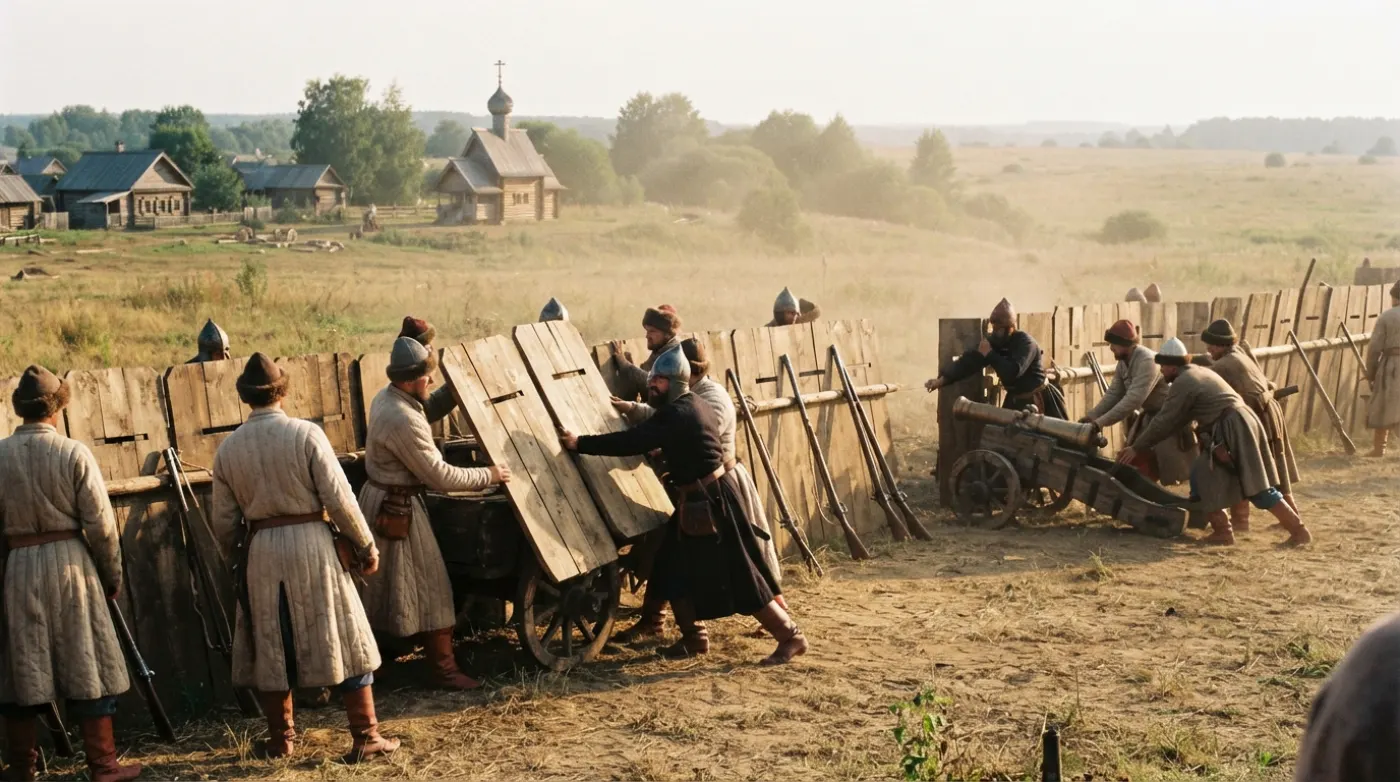
2 August. After two days of skirmishing, on Saturday 2 August the khan sent his sons and his Nogai and Crimean troops, on horse and on foot, against the wagon fort "to free Divey-Murza". "And the Tatars came to the gulyay and grabbed the walls of the town with their hands; and there many Tatars were killed and their hands were cut off beyond counting." Vorotynsky then led the great regiment out along a hollow and fell on the attackers from behind, while the guns of the fort fired on them and Khvorostinin made a sortie "with the Germans", the hired foreign soldiers. A son and a grandson of the khan were among the dead.
The retreat. That evening the khan left 3,000 men in the marsh to keep up the skirmishing, "and the khan himself fled that night and crossed the Oka river the same night". In the morning the Russian commanders discovered his departure and drove the rearguard back to the Oka, where about a thousand of the 2,000 men left to guard the crossing were killed and many drowned.
How large were the armies?
The numbers are the most disputed part of the story. Chronicles and Russian diplomats later gave the khan 120,000 or even 150,000 men, and one Novgorod chronicle claims that most of them were killed. The historian Amet-khan Sheikhumerov calls such figures unrealistic.
Modern estimates of the Crimean and Nogai army vary widely:
| Estimate | Historian |
|---|---|
| At least 60,000, including a Turkish detachment from Kaffa | V. A. Volkov, Great Russian Encyclopedia (2012) |
| No more than 50,000 | V. V. Penskoy (2012) |
| Up to 40,000 including servants at the start of the campaign | A. Sheikhumerov (2019) |
For the Russian side the starting point is the roster of 20,034 men. Earlier historians gave between 30,000 and 73,000.
Was Molodi a decisive victory?
Historians disagree.
- The traditional view goes back to Buganov in 1959, who wrote that the Tatars were routed. Kobrin, in his biography of Ivan the Terrible (1989), wrote that the Crimean danger "was eliminated for 10–15 years". Penskoy concluded in 2012 that "the outcome of the centuries-long confrontation between the two states, Russian and Tatar, was in essence decided precisely then, in the summer of 1572, near Moscow".
- A more sceptical view has been put forward by historians publishing in the Crimean Historical Review. Sheikhumerov (2019) points out that the Russian sources describe a failed assault on the wagon fort and an orderly withdrawal at night behind rearguards, not a rout. Of the khanate's political elite, only Divey is known to have been lost. "There was no rout and destruction of Devlet Giray's army at Molodi," he concludes. The Russians themselves deployed again on the Oka in 1573, expecting another invasion, and Crimean raids continued.
The khan's own view survives in a letter he sent Ivan on 23 August 1572. He explained the retreat by the exhaustion of his Nogai allies, mocked the Russians for hiding behind their walls ("your army, having gone into the town, defended its own heads"), and repeated his demand: "Kazan and Astrakhan were our yurts… we shall strive for those towns until our death."
What is not in dispute is that the khan failed to reach Moscow and went home without the concessions he had demanded.
Was Heinrich von Staden at Molodi?
The most vivid account comes from Heinrich von Staden, a German adventurer who served in the oprichnina and later wrote his memoirs for the Emperor Rudolf II. He wrote: "If the Russians had not had the gulyay-gorod, the Crimean khan would have beaten us, taken us prisoner and led us all bound to Crimea, and the Russian land would have been his land." He claimed that the towns of Russia had already been divided among the khan's murzas, and he put the fighting at fourteen days and nights.
Staden says he was sent with 300 men to watch the Oka crossings, ran into thousands of Tatars and lost all of them, his own horse killed under him. Some historians treat him as a participant of great value. The historian O. V. Komarov, studying the sources in 2025, concluded that "Staden's notes cannot be called an eyewitness account", although they contain some useful details among false rumours. His claim that Russia was to be divided among the murzas is best read as a rumour of the time.
What happened after Molodi?
The news reached Ivan IV in Novgorod on 6 August. Later that year the oprichnina was wound up and even its name was forbidden; historians date the steps between 1571 and the autumn of 1572, and the connection with Molodi is debated.
Vorotynsky did not enjoy his victory long. In 1573, on a servant's denunciation for sorcery, he was arrested and tortured and died on the way to exile at Beloozero. Prince Nikita Odoevsky, who had commanded the right wing at Molodi, was executed too. Divey-Murza remained a prisoner; Moscow announced his death in 1576. Devlet Giray died in 1577.
How is Molodi remembered today?
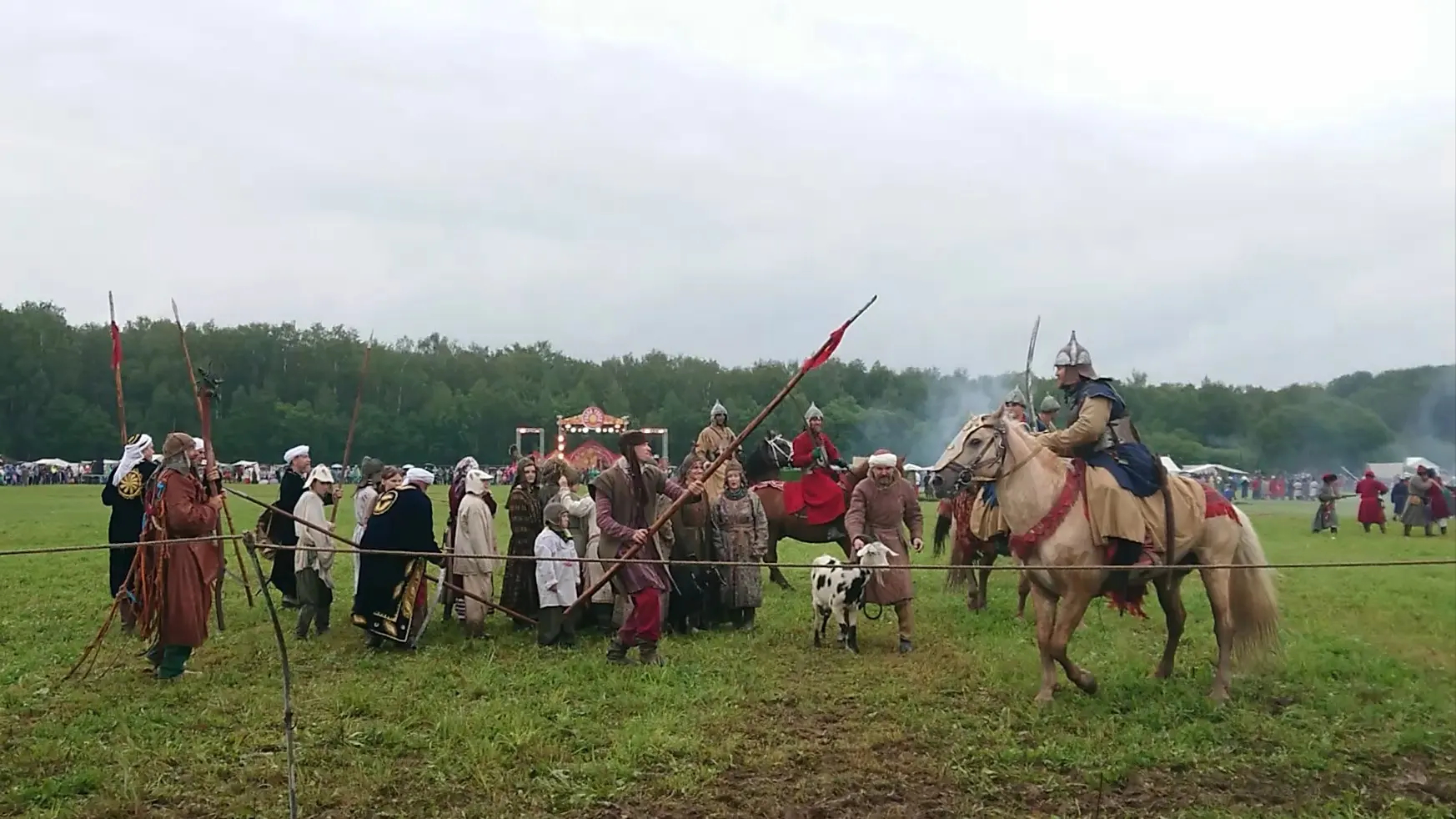
Molodi was never quite forgotten: Nikolai Karamzin described it in his History of the Russian State in the 1820s. But for a long time it stood in the shadow of the negative view of Ivan's later reign. Since 2009 a re-enactment festival, Gulyay-gorod, has been held on the battlefield every summer. In 2017 Moscow Oblast made "the last Saturday of July" a regional Day of the Battle of Molodi. For the 450th anniversary in 2022, Russian Post issued a stamp, and on 6 September 2022 the Ministry of Culture listed the "Field of the Battle of Molodi, 1572" in Chekhov district as a federal cultural heritage site.
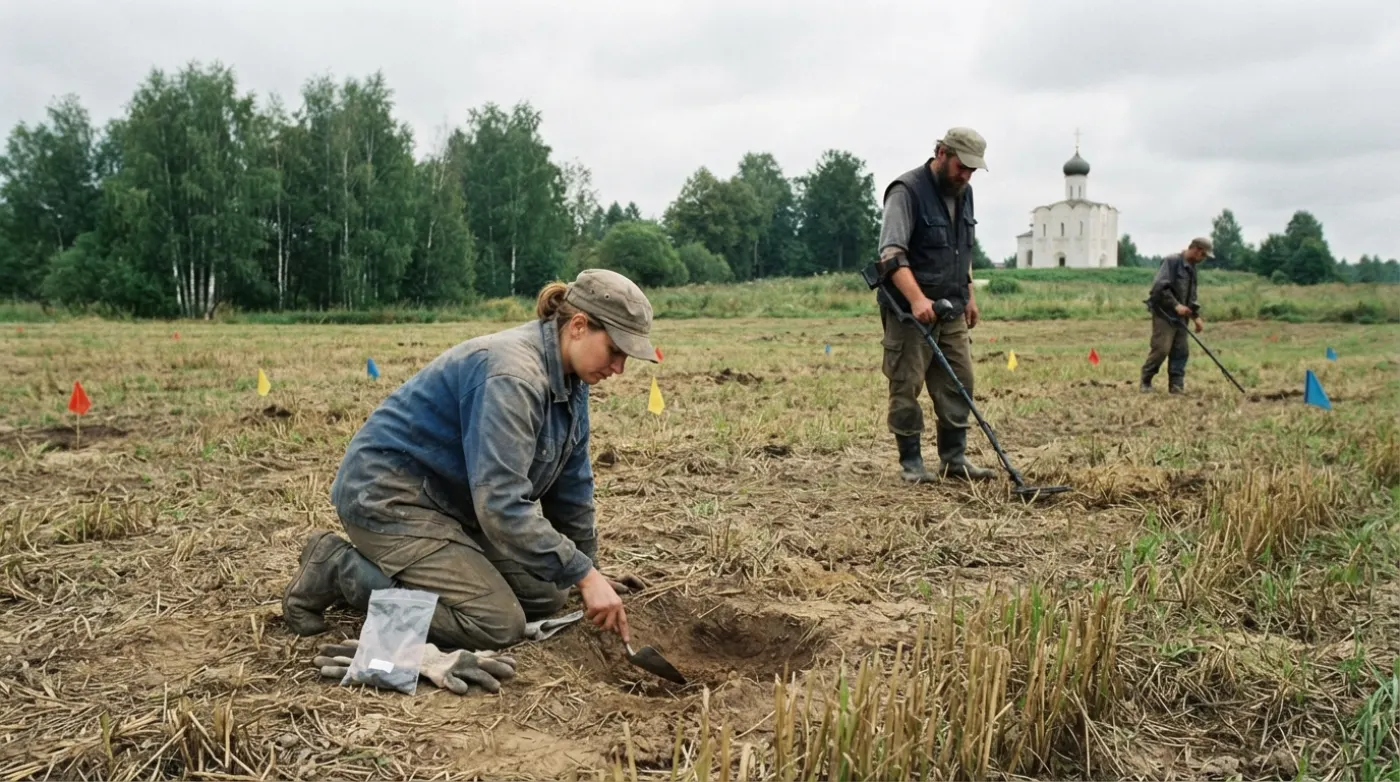
Archaeologists have searched for the battlefield since 2009. In the first season they found 39 metal objects on a plot north-west of the Molodi church, 25 of which could be linked to 1572, including 16 lead bullets. A 2022 report concluded that locating the battle precisely still needs further work.
Common myths about the Battle of Molodi
| Myth | What the evidence says |
|---|---|
| 120,000 Crimeans fought 20,000 Russians | The 120,000 comes from a victory report and diplomatic boasting; modern estimates are 40,000–60,000. The 20,034 Russians are a roster without Cossacks or servants |
| The Crimean army was annihilated | The sources describe a failed assault and a night withdrawal behind rearguards; only one member of the khan's top elite, Divey, is known to have been lost |
| Molodi saved Russia from conquest | This rests on Staden's report that Russia had been divided among the murzas, probably a rumour; the khan's stated aim was Kazan and Astrakhan |
| 800,000 people died in the fire of 1571 | Fletcher's figure is hearsay and impossible; the real number is unknown |
| Ivan the Terrible led the army | He was in Novgorod during the battle |
| The battle was completely forgotten | It is described by Karamzin and in Soviet scholarship; it was little known in popular memory |
Timeline
| Date | Event |
|---|---|
| 1569 | Ottoman expedition against Astrakhan fails |
| 24 May 1571 | Devlet Giray burns Moscow |
| 1571 | Mstislavsky's confession; the khan demands Kazan and Astrakhan |
| Spring 1572 | Vorotynsky takes command of the united army on the Oka |
| 23 July 1572 | The khan enters Russian territory |
| 27–28 July 1572 | The Crimean army crosses the Oka |
| 30 July 1572 | Battle at Molodi; Divey-Murza captured |
| 2 August 1572 | Assault on the gulyay-gorod repulsed; the khan withdraws that night |
| 3 August 1572 | Russian pursuit to the Oka |
| 23 August 1572 | Devlet Giray's letter to Ivan IV |
| Autumn 1572 | The oprichnina is wound up |
| 1573 | Vorotynsky dies after torture |
| 2009 | First re-enactment festival and archaeological survey at Molodi |
| 6 September 2022 | The battlefield becomes a federal heritage site |
What the map shows
At 1572 the Tsardom of Russia reaches down the Volga to the Caspian, while the Crimean Khanate holds the Black Sea steppe to the south, under the overlordship of the Ottoman Empire. The former Astrakhan Khanate that the khan demanded back had been Russian since 1556. For the tsar who fled the burning city, see our article on Ivan the Terrible.
Sources
Primary sources
- V. I. Buganov (ed.), "Dokumenty o srazhenii pri Molodiakh v 1572 g.", Istoricheskii arkhiv 1959, no. 4, with Vorotynsky's instructions, the army roster, the service record of the campaign and Devlet Giray's letter of 23 August 1572, via vostlit.info
- Heinrich von Staden, Zapiski o Moskovii, trans. I. I. Polosin (1925), via vostlit.info
- J. Taube and E. Kruse, letter of 1572, trans. M. G. Roginskii (1922), via vostlit.info
- E. A. Bond (ed.), Russia at the Close of the Sixteenth Century (London: Hakluyt Society, 1856), with Giles Fletcher and Jerome Horsey
- Moscow Oblast Law no. 161/2017-OZ; Order of the Ministry of Culture of the Russian Federation no. 1549 of 6 September 2022
Studies and reference works
- V. A. Volkov, "Molodinskaia bitva 1572", Bol'shaia rossiiskaia entsiklopediia, vol. 20 (2012)
- V. V. Penskoi, "Srazhenie pri Molodiakh 28 iiulia – 3 avgusta 1572 g.", Istoriia voennogo dela: issledovaniia i istochniki 2 (2012)
- V. V. Penskoi and T. M. Penskaia, on Devlet Giray's campaign and the burning of Moscow in May 1571, Istoriia voennogo dela (2013)
- A. Sheikhumerov, "Mifologiia i realii bitvy pod Molodiami", Krymskoe istoricheskoe obozrenie 2019, no. 2, doi:10.22378/kio.2019.2.133-154
- O. V. Komarov, "Istochniki o bitve pri Molodi", parts 1 and 2, Krymskoe istoricheskoe obozrenie (2025)
- D. M. Volodikhin, "Kogda byla otmenena oprichnina?", Vestnik Moskovskogo universiteta, ser. 8 (2010)
- Ia. G. Solodkin, on the Piskarev chronicle as a source on Russian–Crimean relations (2017)
- O. A. Brusentsov, on the archaeology of the Molodi battlefield, Historical Geography Journal 1:2 (2022)
- V. B. Kobrin, Ivan Groznyi (Moscow, 1989); S. M. Solov'ev, Istoriia Rossii, vol. 6
- "Devlet Giray I", TDV İslâm Ansiklopedisi
Image credits
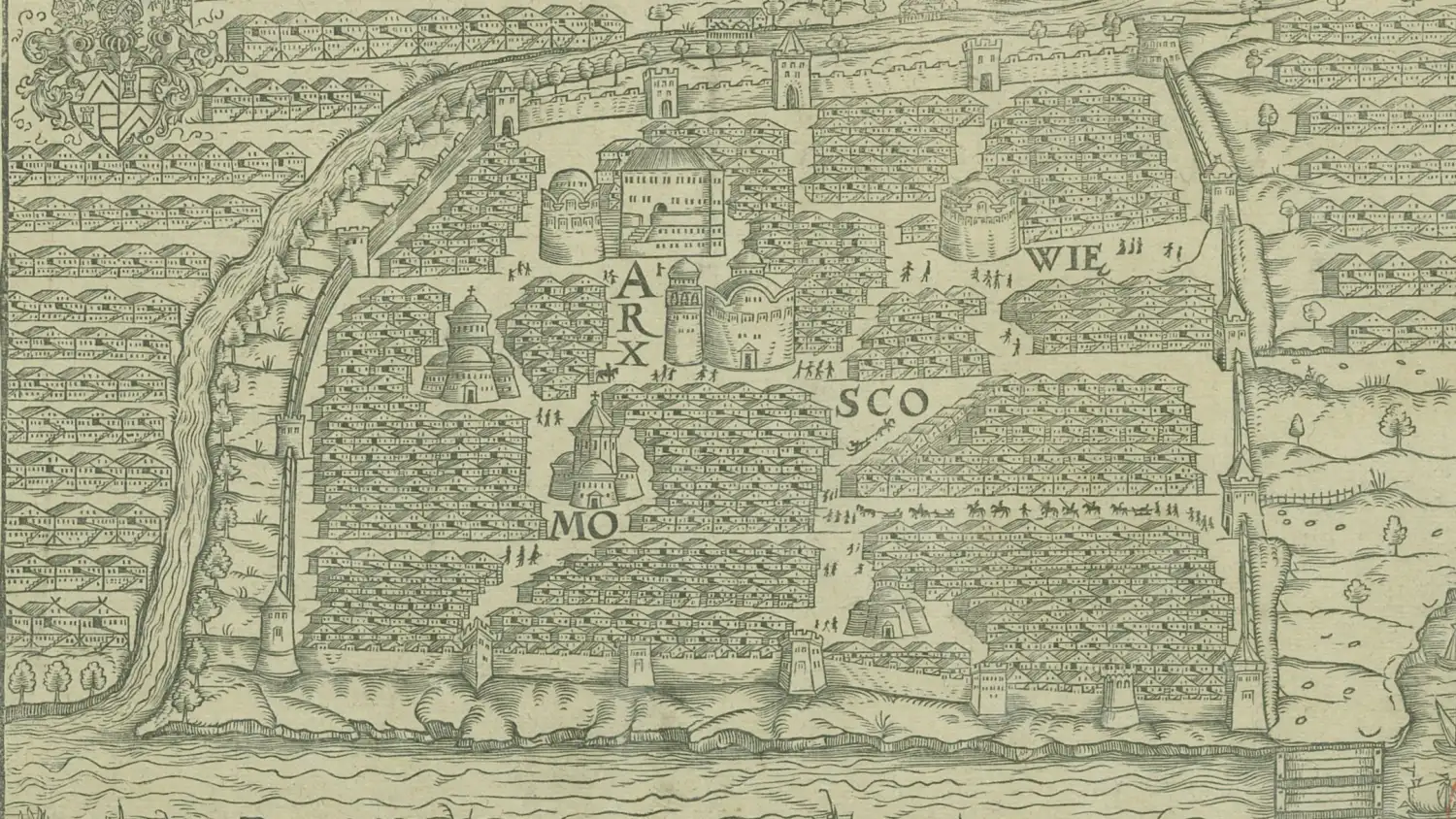
- Title image: Moscovia, quatenus moenibus includitur…, Basel, 1570, Bibliothèque nationale de France. Public domain, via Wikimedia Commons, cropped to 16:9.
- Gulyay-gorod drawing, Sytin Military Encyclopaedia, 1912. Public domain, via Wikimedia Commons.
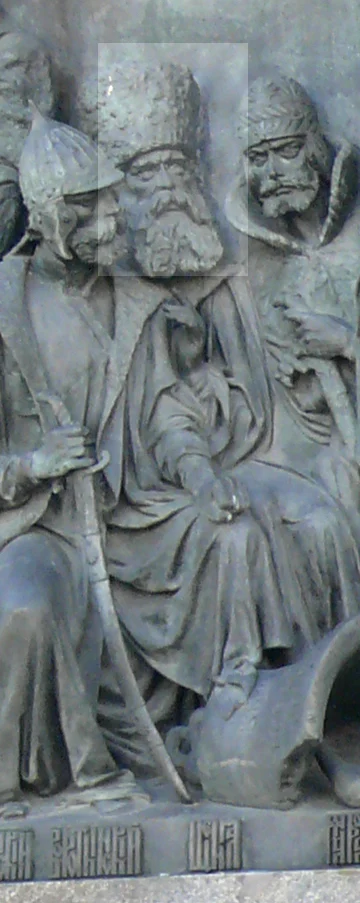
- Vorotynsky on the Millennium of Russia monument, photo by Дар Ветер, 2010, CC BY-SA 3.0, via Wikimedia Commons.
- Re-enactment at Molodi, photo by ЛЮБИТЕль, 2023, CC BY-SA 4.0, via Wikimedia Commons.